Perforated window film
Printed Window Graphics With See-Through Visibility From the Darker Side
One-way window graphics use perforated film to display a printed image on one side of the glass while preserving partial visibility through the film from the darker side.
The Sign Catalog produces perforated window graphics from print-ready artwork, with film, perforation ratio, laminate, panel layout, and installation method selected for the glass, lighting, viewing direction, and expected display period.
Product details
One-Way Window Graphic Features
A specialized perforated film system for applications that need printed imagery and partial outward visibility through glass.
Perforated Construction
- Printed face is interrupted by small open areas in the film
- Perforation ratio affects image density and visibility through the glass
- Exact performance depends on lighting and viewing direction
Full-Color Graphics
- Suitable for branding, promotions, photography, and large-format messaging
- Panels can be planned around mullions, doors, and window breaks
- Artwork should use strong contrast and simple, readable content
Exterior-Facing Applications
- Commonly installed on the exterior face of compatible glass
- Laminate may be recommended for protection and easier cleaning
- Film and laminate must be selected for the intended environment
Common uses
Where One-Way Window Graphics Work Well
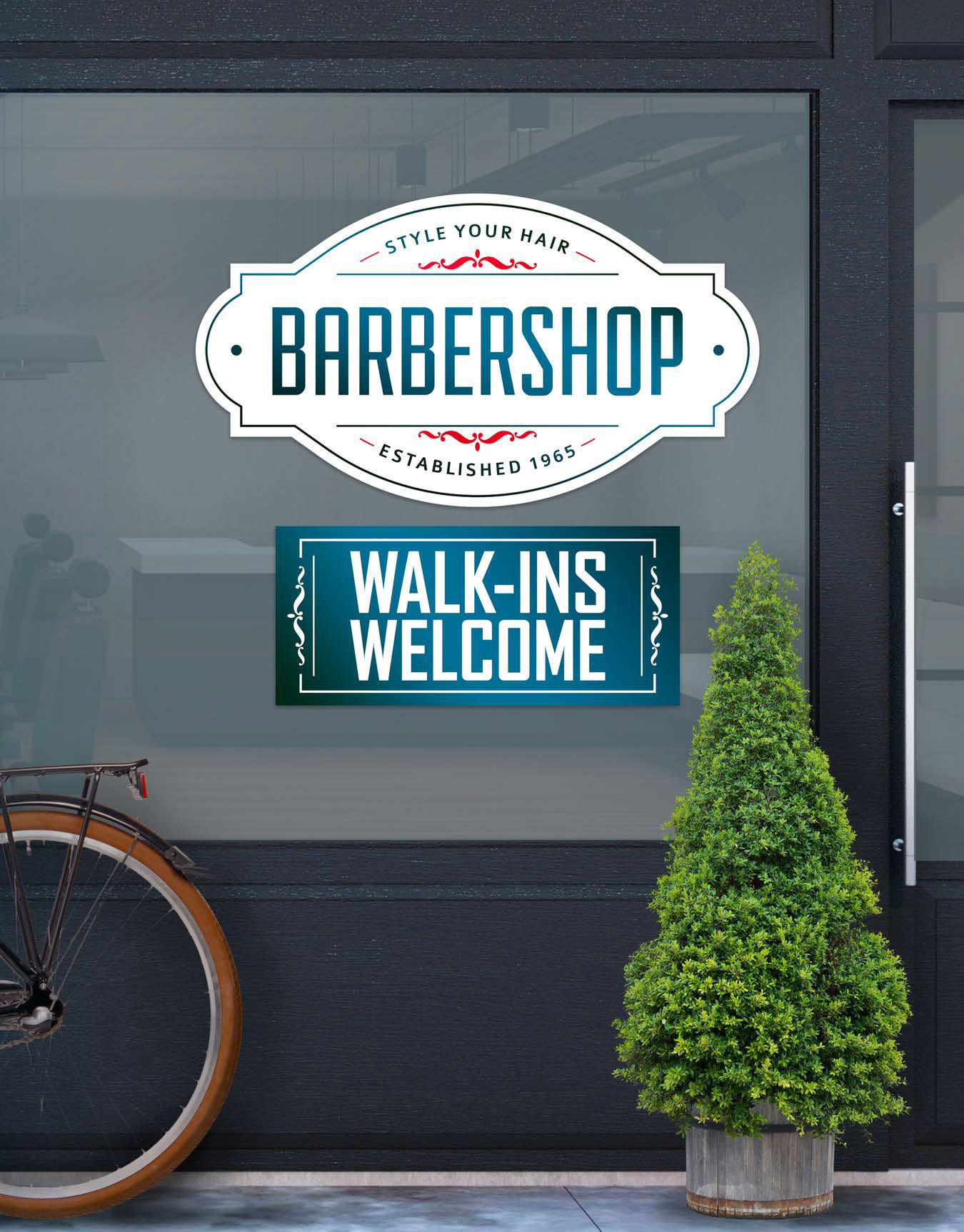
Perforated window film is useful where visual advertising and partial see-through visibility need to share the same glass surface.
Storefront Windows
Promotions, branding, product imagery, campaign graphics, and large window displays across compatible glass panels.
Vehicle Windows
Graphics for selected rear and side windows on buses, vans, fleet vehicles, and commercial vehicles where legally permitted.
Office and Public-Facing Glass
Interior glazing, office windows, public-facing partitions, and glass areas that need branding with partial visibility.
Viewing conditions
The Effect Depends on Lighting
One-way visibility is not absolute. The graphic appears strongest when the printed side is brighter than the viewing side.
Daytime Conditions
- Exterior graphics usually read best when outdoor light is brighter than the interior
- People inside can often see outward through the perforations
- Tint, reflections, glare, and interior lighting affect visibility
- Perforation ratio influences both image quality and see-through performance
Nighttime Conditions
- Bright interior lighting may make the inside more visible from outside
- The printed image may appear weaker after dark
- Additional interior shades or lighting controls may be needed for privacy
- Do not rely on perforated film as a guaranteed privacy product
Glass compatibility
Confirm the Glass Before Production
Glass type, coatings, tint, seals, installation side, and solar exposure can affect adhesion, appearance, and thermal behavior.
Glass Information
- Tempered, laminated, insulated, tinted, coated, or untreated glass
- Interior or exterior installation side
- Existing film, coating, adhesive residue, or surface treatment
- Panel dimensions, mullions, seals, and visible opening
Conditions Requiring Caution
- Unknown specialty coatings or low-emissivity surfaces
- Damaged glass, failing seals, chips, or cracks
- High heat exposure or uneven solar absorption
- Glass systems whose manufacturer restricts aftermarket film
Vehicle applications
Verify Vehicle-Window Rules Before Installation
Vehicle window-film laws and inspection requirements vary by location and vehicle type.
Potentially Appropriate Areas
- Selected rear windows and rear side windows where local rules permit
- Commercial fleet windows that remain outside required driver sightlines
- Applications that preserve legally required mirrors and visibility
- Vehicle glass approved for the exact perforated film system
Areas Requiring Caution
- Windshields, front side windows, and other legally restricted areas
- Emergency exits, required markings, sensors, cameras, and defroster systems
- Windows where the film reduces required visibility
- Applications that conflict with state, local, fleet, insurance, or inspection rules
Artwork preparation
Design for Perforation and Viewing Distance
Fine details and small text can be weakened by the perforated pattern.
Readable Design
- Use large text and strong color contrast
- Avoid very fine lines, small type, and low-contrast details
- Keep critical content away from panel seams and window hardware
- Review the design at the expected viewing distance
Panel Layout
- Provide exact visible dimensions for each window panel
- Identify mullions, handles, hinges, wipers, defrosters, and obstructions
- Include bleed and panel labeling for multi-window installations
- Confirm whether artwork must align across separate panes
Installation and maintenance
Protect Edges, Perforations, and Visibility
Correct cleaning, alignment, edge treatment, and inspection help maintain appearance and adhesion.
Preparation
- Clean glass using compatible, residue-free methods
- Remove old adhesive, grease, silicone, and contamination
- Inspect seals, coatings, scratches, and damaged areas
Application
- Install within the film’s recommended temperature range
- Use careful alignment and consistent application pressure
- Trim cleanly around seals, hardware, and panel edges
Inspection and Cleaning
- Inspect edges, seams, corners, and laminate regularly
- Use non-abrasive cleaning methods compatible with the film
- Replace lifting, damaged, obstructed, or heavily worn graphics promptly
Quote preparation
Information to Include With Your Request
These details help us recommend the correct perforated film, laminate, panel layout, and installation method.
Graphic Specifications
- Visible width and height of each window panel
- Quantity of windows, vehicles, or locations
- Print-ready artwork and required panel alignment
- Preferred perforation ratio, when known
Glass and Environment
- Storefront, vehicle, office, or other glass application
- Glass type, tint, coatings, and installation side
- Daytime and nighttime lighting conditions
- Expected display period, removal needs, and installation responsibility
Start your project
Request a One-Way Window Graphics Quote
Share your window dimensions, photos, artwork, glass details, lighting conditions, and installation requirements. We will review the project and recommend an appropriate perforated window-film system.